
Is Alzheimer’s Disease a Mitochondrial Resilience Disorder Before It Becomes a Proteinopathy?
We are pleased to announce that Prof. Benedict C. Albensi will join Targeting Mitochondria 2026 as a speaker.
Prof. Albensi is a neuroscientist and internationally recognized Alzheimer’s disease researcher. He currently serves as Associate Dean of Research, Co-director of the B.R.A.I.N. Center, and Chair of the Department of Pharmaceutical Sciences at the Barry and Judy Silverman College of Pharmacy, Nova Southeastern University, USA. Later this year, he will step down from his role as Department Chair while continuing his leadership in research and neuroscience initiatives.
Prof. Albensi is also an Adjunct Professor at the University of Manitoba, Max Rady College of Medicine, Canada, where he previously served as a tenured Full Professor for 17 years.
Prof. Albensi's research focuses on Alzheimer’s disease, mitochondrial dysfunction, neuroinflammation, brain metabolism, and translational neuroscience. Prof. Albensi has authored more than 100 scientific publications and is widely recognized for his contributions to neurodegenerative disease research and mitochondrial medicine.
Prof. Albensi's lecture will bring a strategic perspective on one of the most important questions in neurodegeneration:
Is Alzheimer’s Disease a Mitochondrial Resilience Disorder Before It Becomes a Proteinopathy?
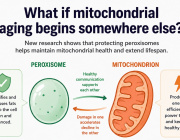
Alzheimer’s disease is still largely framed around plaques and tangles. Yet increasing evidence suggests that mitochondrial dysfunction, bioenergetic decline, neuroinflammation, and sex-specific vulnerability may appear very early, before irreversible pathology is established.
At WMS 2026, Prof. Albensi will help challenge the classical proteinopathy-centered model and open a broader discussion on mitochondrial resilience, early intervention, and the future of Alzheimer’s disease research.
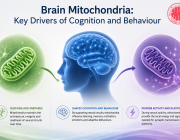
Prof. Albensi's contribution will complement other leading talks on mitochondria and the nervous system, including brain aging, glial neuronal mitochondrial transfer, oligodendrocyte quality control, and mitochondrial diversity in disease vulnerability.
For more information -
Read the news on LinkedIn