Mitochondria Could Help Make Cancer Immunotherapy More Effective


- Details
- Published on 31 March 2026
A new study published in Nature by Ping-Chih Ho from Department of Oncology, University of Lausanne, Lausanne, Switzerland and reported by Drug Target Review suggests that improving the energy systems of immune cells may boost the success of CAR-T cell therapy, an advanced treatment used to fight cancer.
What is the problem?
CAR-T therapy uses a patient’s own immune cells to attack cancer. However, these cells often become “exhausted” after some time. When this happens, they lose their ability to fight tumors effectively.
Where do mitochondria come in?
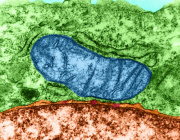
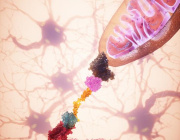
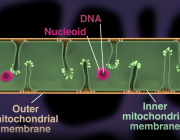
Mitochondria are the “power plants” of cells. They produce the energy that immune cells need to survive and function.
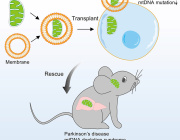
The study shows that exhausted immune cells have damaged or weak mitochondria. As a result, they cannot maintain their activity against cancer.
What did researchers find?
When scientists restored mitochondrial function, the immune cells:
- Lived longer
- Produced more energy
- Attacked tumors more efficiently
- Stayed active for a longer period
Why this matters
This means that improving mitochondrial health could:
- Make CAR-T therapy stronger
- Help prevent cancer relapse
- Improve long-term treatment success
- Expand this therapy to more cancers
The big idea
Instead of only modifying immune cells to recognize cancer, researchers may also need to boost their energy capacity. Healthy mitochondria could allow these cells to remain active and continue fighting tumors.
Key message
Mitochondria are not just energy producers, they may determine how well cancer immunotherapies work.
By protecting or enhancing mitochondrial function, scientists may improve the effectiveness and durability of next-generation cancer treatments.
Reference
Xu, Y., Shangguan, Y., Chuang, YM. et al. Proteasome-guided haem signalling axis contributes to T cell exhaustion. Nature (2026).