Mitochondria and Lysosomes Are Not Working Alone: Study Reveals Direct Proton Transfer Between Organelles


- Details
- Published on 11 May 2026
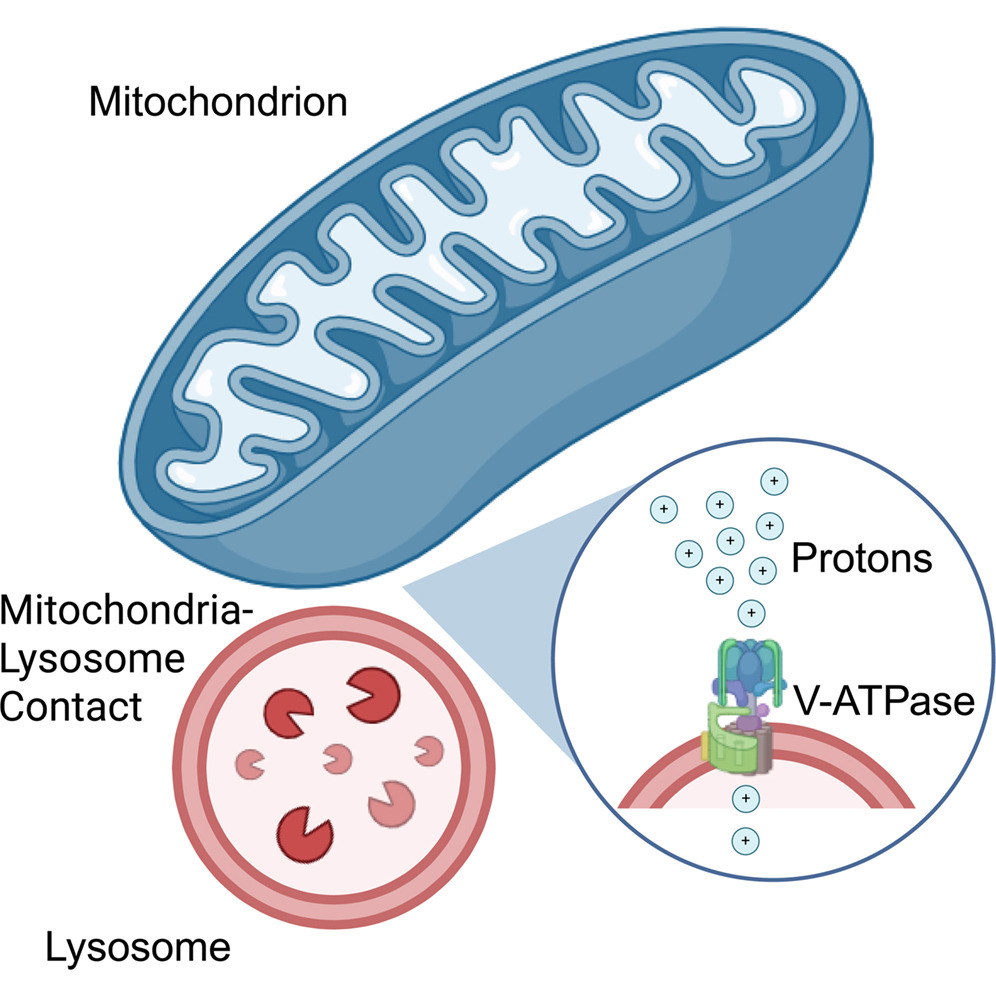
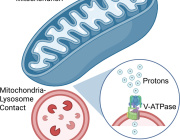
A new study by Jiajie Diao from the University of Cincinnati is reshaping how scientists understand communication between cellular organelles. Researchers discovered that mitochondria directly provide protons to lysosomes, revealing an unexpected metabolic cooperation inside animal cells.
For decades, biology textbooks described lysosomes as organelles that acidify themselves mainly by collecting protons from the surrounding cytosol. Acidification is essential because lysosomes function as the cell’s recycling and digestion system, breaking down damaged proteins, lipids, and cellular waste.
The new research, published in Cell Reports, suggests the process is far more coordinated.
Using a newly developed mitochondrial polarity probe, the team led by Jiajie Diao demonstrated that mitochondria act as major proton donors for lysosomal acidification.
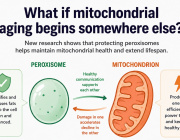
This finding changes the traditional view of organelles as relatively independent cellular compartments. Instead, it reinforces the idea that cells operate through dynamic inter-organelle communication networks.
The implications could be substantial for aging and disease research.
Both mitochondrial dysfunction and lysosomal impairment are central features of neurodegenerative diseases, metabolic disorders, inflammation, and aging. The discovery that these two organelles are functionally coupled through proton transfer may open new therapeutic directions aimed at restoring cellular resilience rather than targeting isolated pathways.
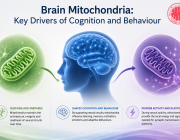
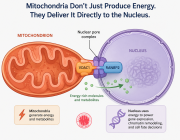
The study also strengthens a growing scientific paradigm: mitochondria are not simply cellular “powerhouses.” They are signaling and coordination hubs that regulate broader cellular organization and adaptation.
Researchers now aim to understand how this proton-transfer mechanism is regulated and whether dysfunction of mitochondria–lysosome communication contributes directly to disease progression.
Read the complete news here
Read the news on LinkedIn