Can Less Oxygen Help Treat Mitochondrial Disease?


- Details
- Published on 09 July 2026
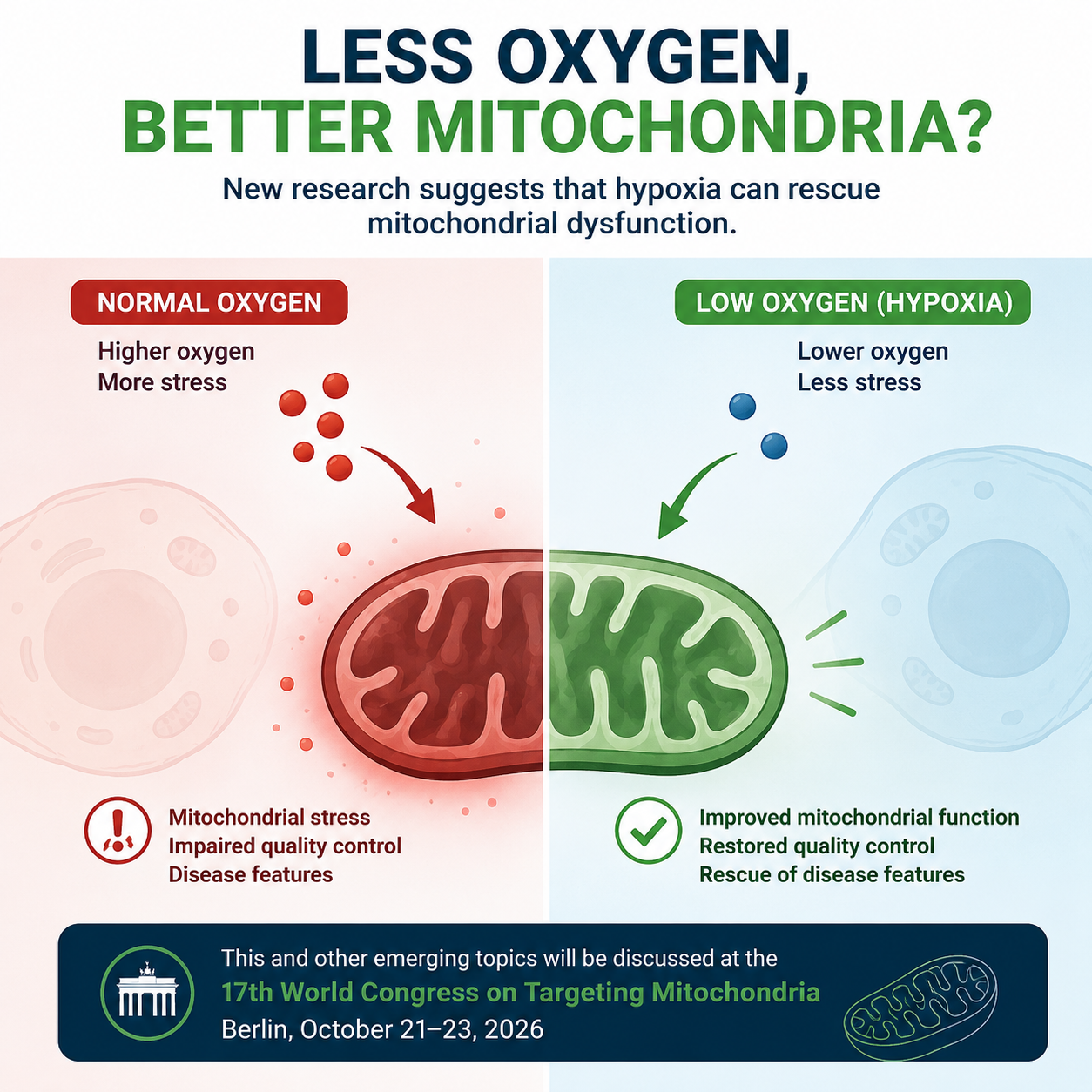
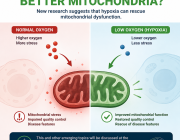
For decades, oxygen has been viewed almost exclusively as beneficial for mitochondrial function and energy production. A new study published in Nature Metabolism suggests the relationship may be more complex.
Researchers demonstrated that reducing oxygen exposure can rescue important features of mitochondrial dysfunction caused by defects in mitochondrial proteostasis and complex I-associated disease mechanisms.
The study was led by Ankur Garg as first author and Isha H. Jain as senior author, with Daniel R. Southworth and James Shorter serving as corresponding authors.
The findings support an emerging concept in mitochondrial biology: oxygen is not simply fuel for energy production. It is also a biological signal that shapes mitochondrial adaptation, stress responses and cellular survival.
While controlled hypoxia is not yet a therapeutic strategy for patients, this work opens an important avenue for mitochondrial medicine by suggesting that oxygen itself may become a modifiable therapeutic variable in selected mitochondrial disorders.
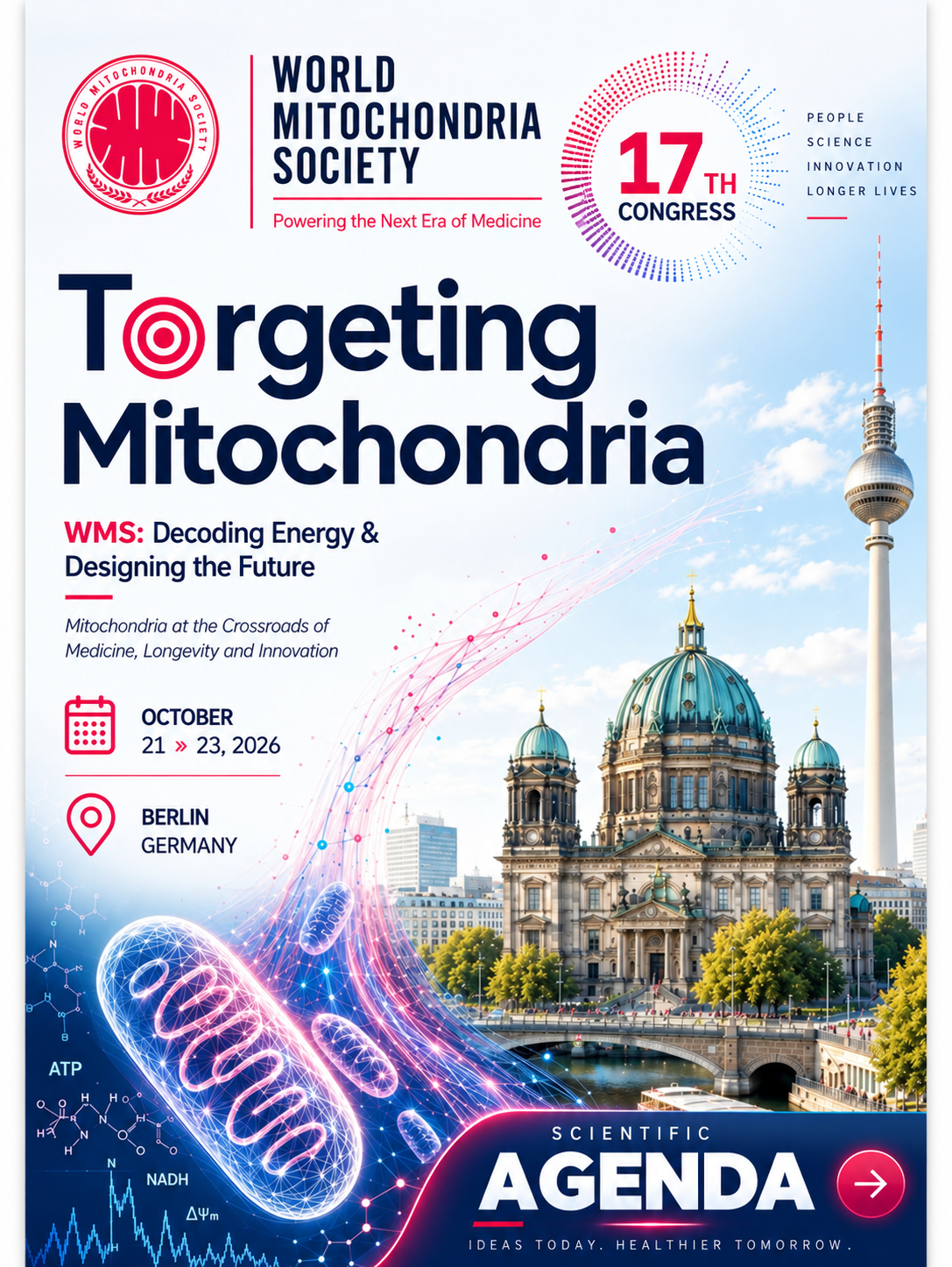
This evolving view of mitochondria as oxygen sensors and responders, rather than simple oxygen consumers, is expected to be one of the important topics discussed at the 17th World Congress on Targeting Mitochondria in Berlin, October 21–23, 2026.
Read the news on LinkedIn