
Intercellular Mitochondrial Transfer in Tauopathies: Mechanisms and Therapeutic Perspectives
We are pleased to welcome Dr. Amandine Grimm from the University of Basel, Switzerland, as a speaker at Targeting Mitochondria 2026.
Mitochondrial dysfunction is one of the earliest and most important features of tauopathies, including Alzheimer's disease and frontotemporal dementia. But could damaged neurons be rescued by receiving healthy mitochondria from neighboring cells?
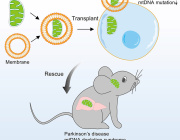
In her recent work, Dr. Grimm demonstrated that pathological tau enhances mitochondrial transfer from astrocytes to neurons, primarily through tunneling nanotubes. The transferred mitochondria remain functional and improve neuronal bioenergetics. She also showed that transplantation of healthy astrocytic mitochondria restores cellular energy production and promotes neurite outgrowth, highlighting the therapeutic potential of this approach.
These findings suggest that intercellular mitochondrial transfer is more than a fascinating biological phenomenon. It may represent a natural repair mechanism that can be harnessed to protect neurons and slow the progression of neurodegenerative diseases.
During her presentation, Dr. Grimm will discuss how understanding and enhancing mitochondrial transfer could open new therapeutic opportunities for tauopathies and help shape the next generation of mitochondrial medicine.
For more information -
Read the news on LinkedIn