Could Synaptic Mitochondrial Competence Be One of the Missing Determinants of Cognitive Resilience?


- Details
- Published on 15 September 2026

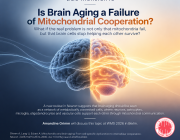
Why do some brains remain adaptable with age while others lose cognitive flexibility? A new study suggests that mitochondrial function at the synapse may be part of the answer.
A new study published in Aging Cell suggests that mitochondrial function at neuronal synapses may play an important role in determining cognitive flexibility during aging.
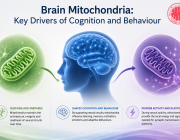
The researchers investigated why some aged mice remain able to adapt to new information, while others develop cognitive inflexibility. Interestingly, these differences were not primarily explained by synaptic loss. Instead, poorer cognitive flexibility was associated with alterations in synapse-associated mitochondria in the medial prefrontal cortex, a brain region involved in executive function, decision-making and behavioral adaptation.
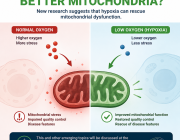
Proteomic analyses revealed changes in mitochondrial oxidative phosphorylation, translation and metabolic pathways. The findings suggest that excessive mitochondrial oxidative stress at the synapse may impair neuronal plasticity and contribute to cognitive vulnerability during aging.
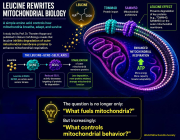
To explore whether this mitochondrial dysfunction could be targeted, the researchers treated aged mice with MitoQ, a mitochondria-targeted antioxidant. Long-term treatment did not significantly improve initial learning, but it improved the ability of the animals to abandon a previously learned rule and adapt to a new one.
This distinction is important. The study does not simply suggest that mitochondria influence learning in general. It points more specifically to a potential role for mitochondrial function in cognitive flexibility — the capacity of the brain to adapt when conditions change.
The study also raises a broader question in the biology of aging. Chronological aging and cognitive decline may not follow exactly the same molecular pathways. The functional state of mitochondria within specific neuronal compartments could help explain why some individuals remain cognitively resilient while others become more vulnerable.
For the World Mitochondria Society, these findings reinforce an emerging concept: mitochondria should not be considered only as cellular energy producers. Their localization, redox balance and functional competence at the synapse may directly influence neuronal communication, plasticity and brain resilience.
The study remains preclinical, and further work will be necessary to determine whether these mechanisms can be translated to humans. Nevertheless, it opens an important direction for mitochondrial research in brain aging.
Could preserving synaptic mitochondrial competence become a strategy to maintain cognitive flexibility and cognitive resilience during aging?
Reference: Yamada R, Nagai H, Numa C, et al. Synaptic Mitochondrial Oxidative Stress Contributes to Individual Variability in Age-Related Cognitive Inflexibility in Mice.Aging Cell. 2026;25.
For more Information:
Read the full news here