Mitochondrial Translation Under Stress: A New Frontier in Mitochondrial Medicine.


- Details
- Published on 23 September 2026
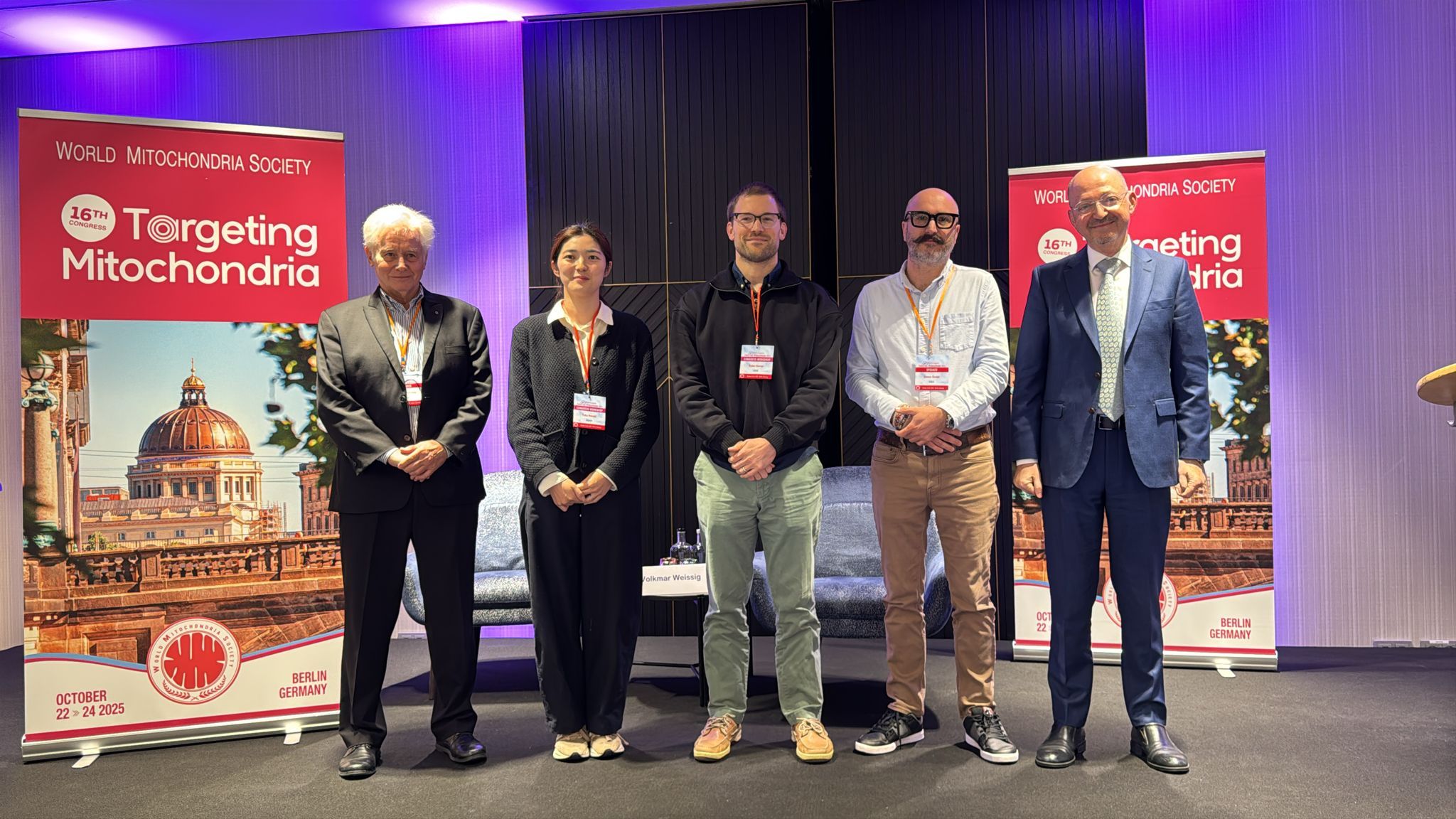
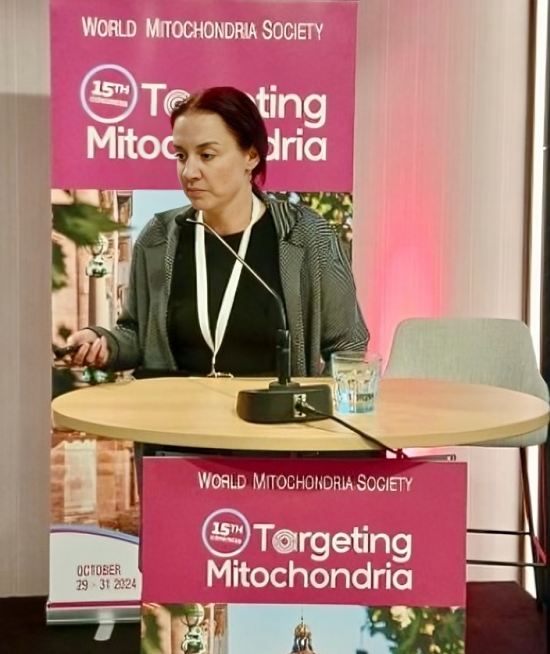
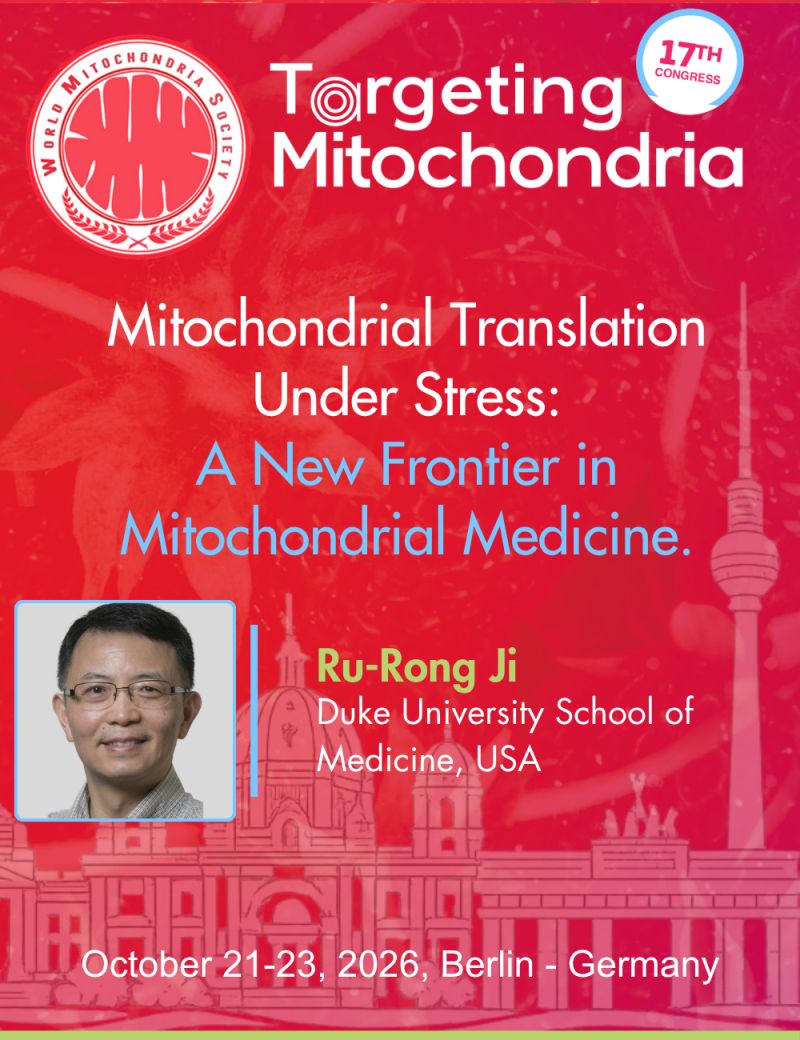 At the upcoming World Mitochondria Society meeting, Dr. Ru-Rong Ji from Duke University School of Medicine, USA, will highlight a strategic topic gaining major relevance: how mitochondrial protein synthesis shapes cellular resilience, disease progression, and therapeutic opportunity.
Mitochondria depend on their own translation machinery to maintain respiratory chain performance and energy balance. When this system fails, consequences may include inflammation, neurodegeneration, metabolic dysfunction, and accelerated aging.
This raises key questions for the field:
* Can impaired mitochondrial translation be an early driver of disease?
* Could restoring mitochondrial proteostasis improve resilience?
* Is this an emerging target for precision therapeutics?
* How does mitochondrial stress signaling reshape whole-cell adaptation?
The future of mitochondrial medicine will not be defined only by ATP production, but also by protein quality control, communication networks, and adaptive capacity.
A discussion highly relevant for experts in aging, metabolism, neuroscience, inflammation, and translational medicine.