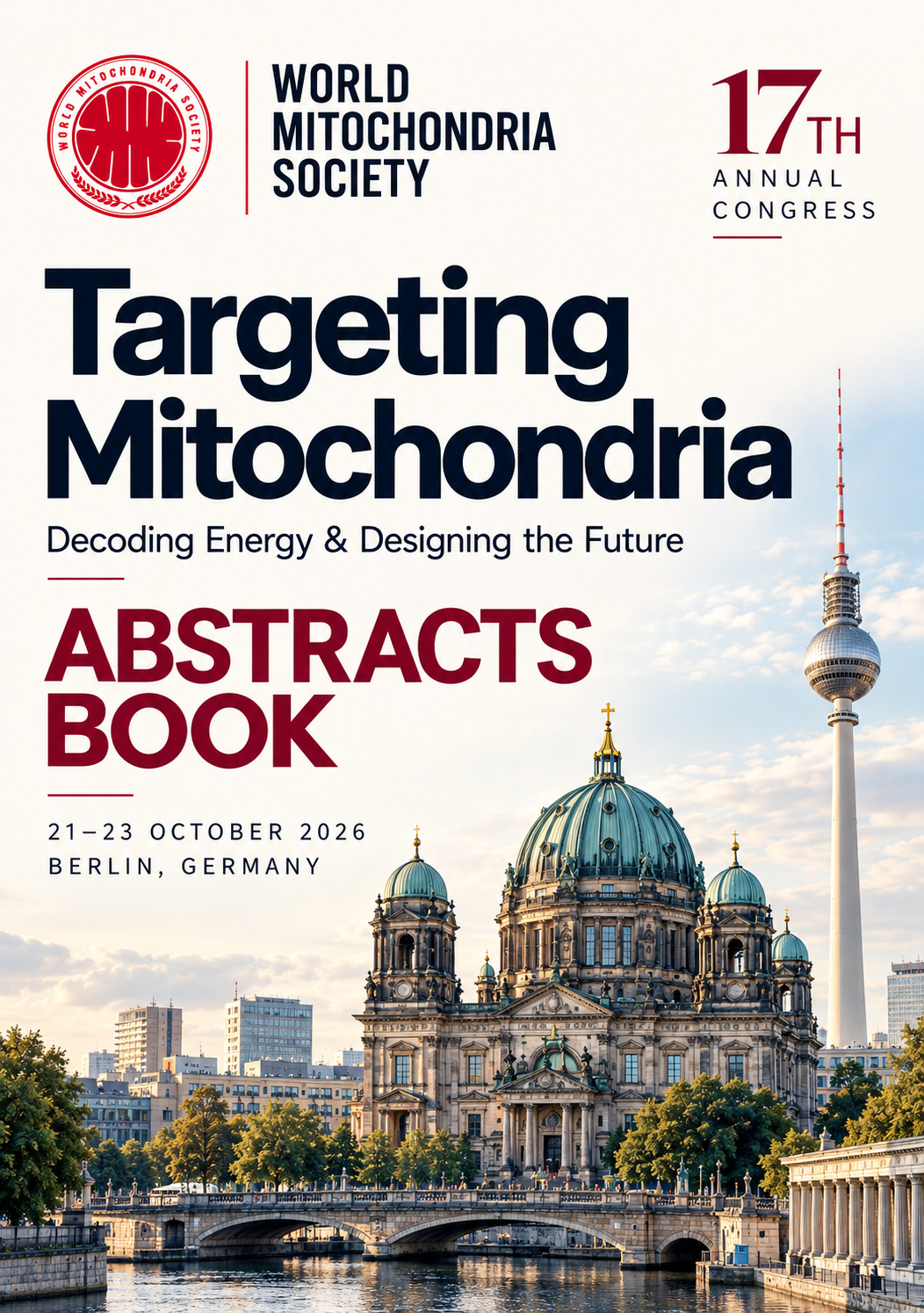
WMS 2026 Abstract Book: Original Research, Bold Ideas, New Therapeutic Directions


- Details
- Published on 12 October 2026
 |
Read the research. Meet the scientists behind it. Take part in the discussion shaping mitochondrial medicine. |

Explore the science and international expertise bringing mitochondrial researchers, clinicians and innovators together in Berlin.
From rare genetic disorders to cancer immunotherapy and brain ageing, the WMS 2026 Abstract Book brings together research that is expanding the questions mitochondrial medicine can ask—and the approaches available to answer them.
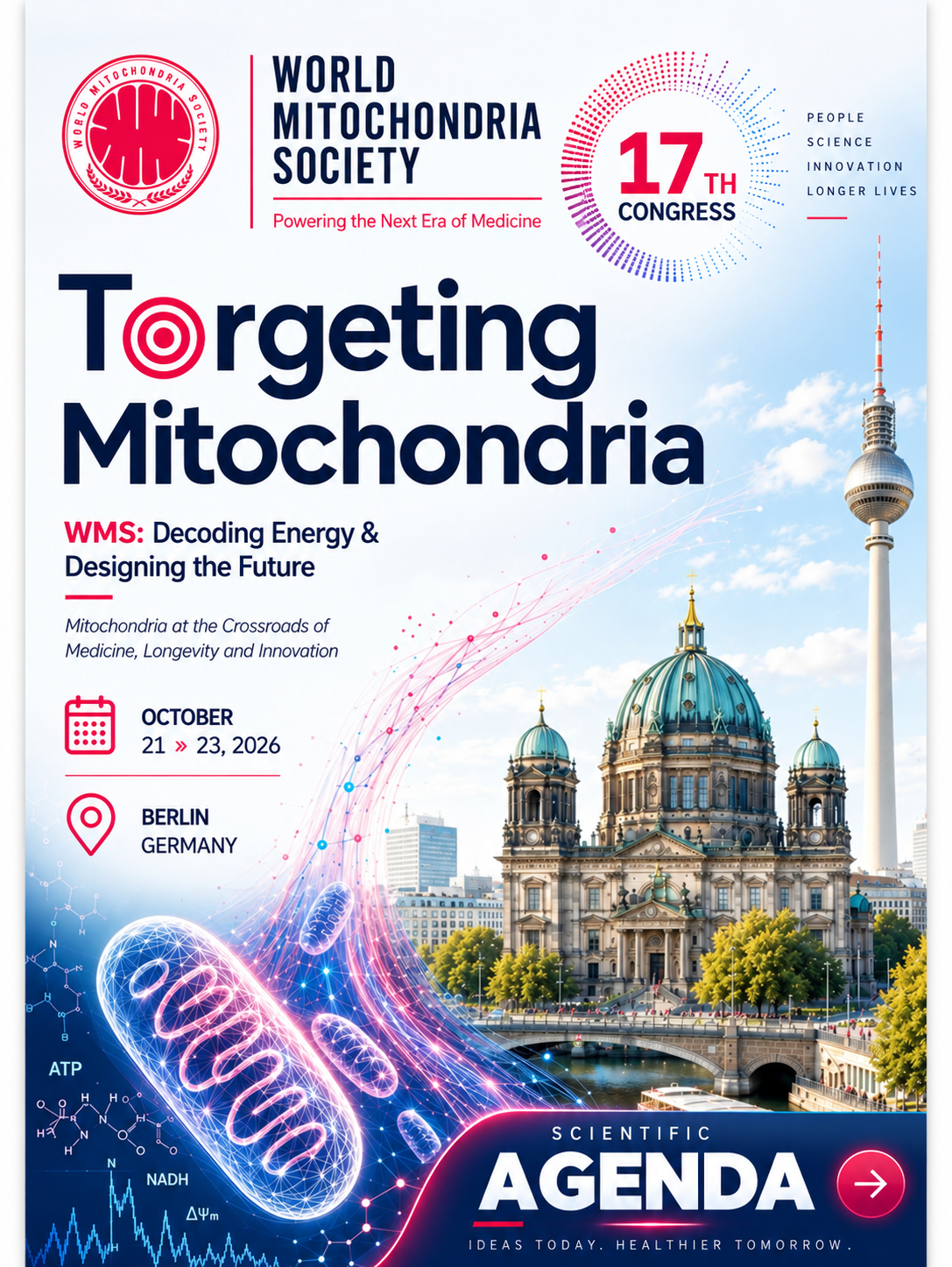
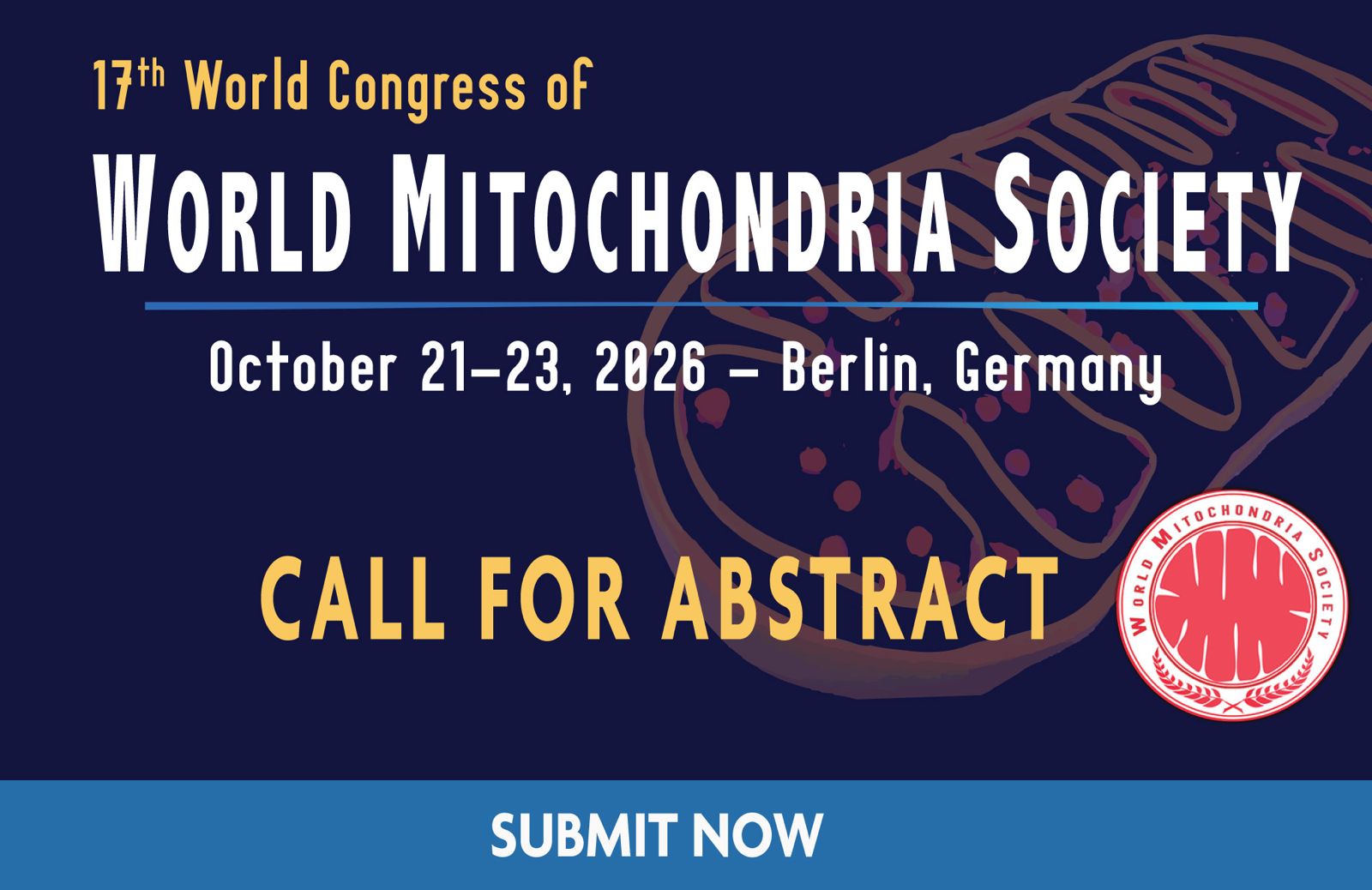
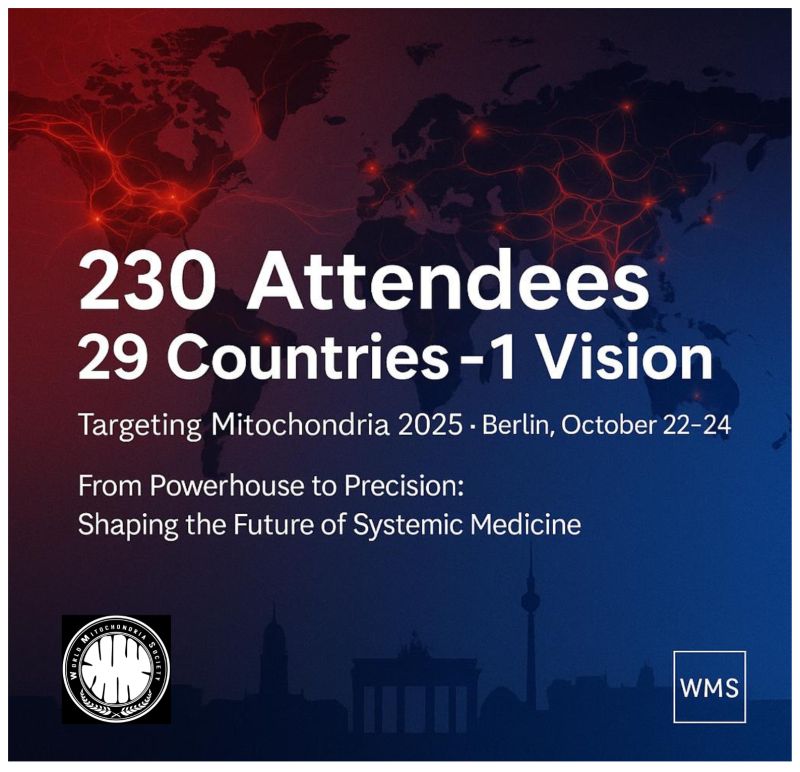
The collection accompanies Targeting Mitochondria 2026, the World Mitochondria Society’s 17th annual congress, taking place October 21–23 in Berlin and online. More than 210 scientists, clinicians, industry representatives and innovators are expected to participate, connecting fundamental research with diagnostic challenges and therapeutic development.
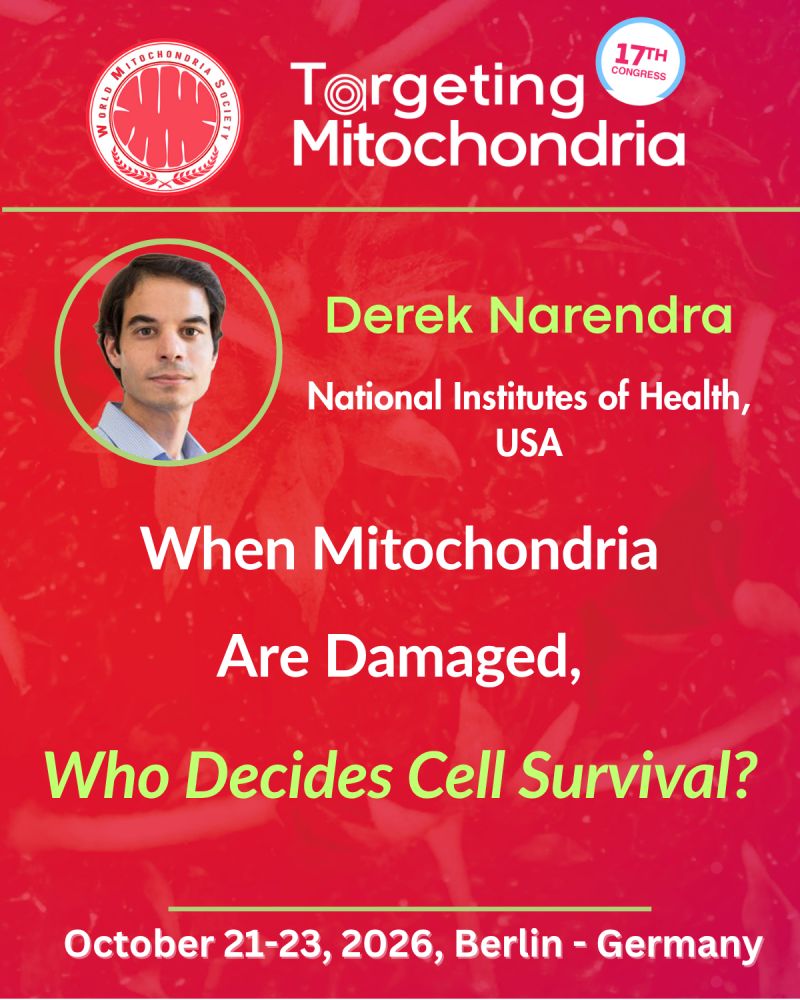
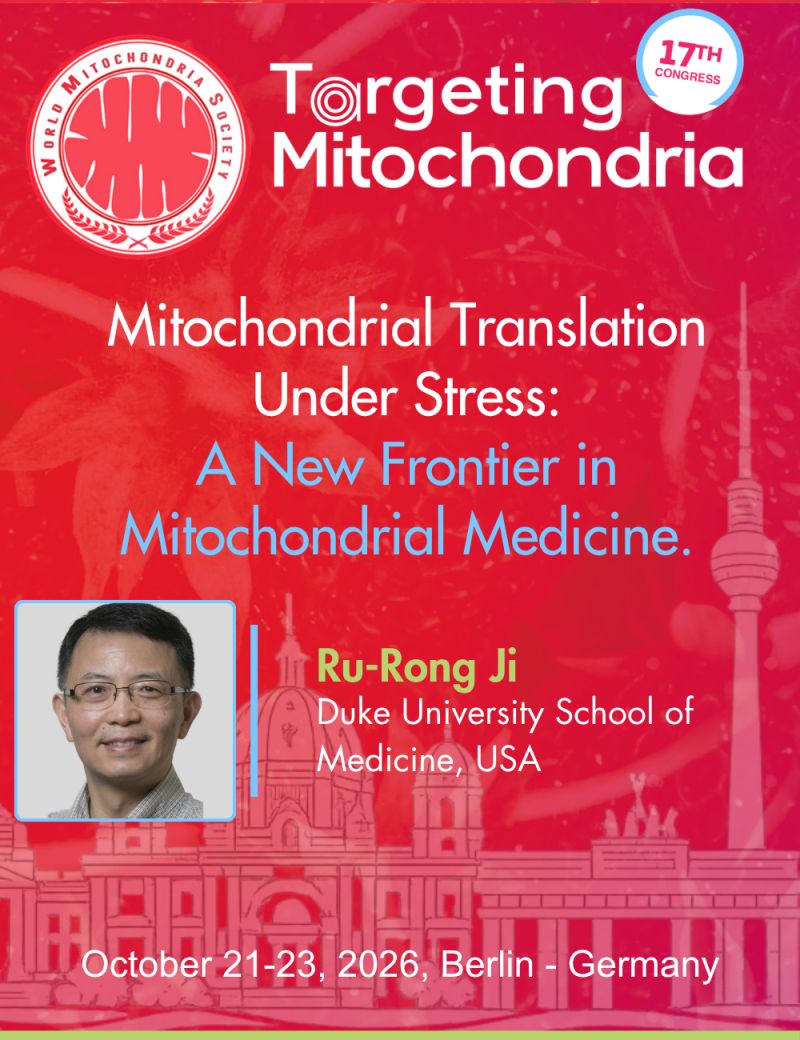
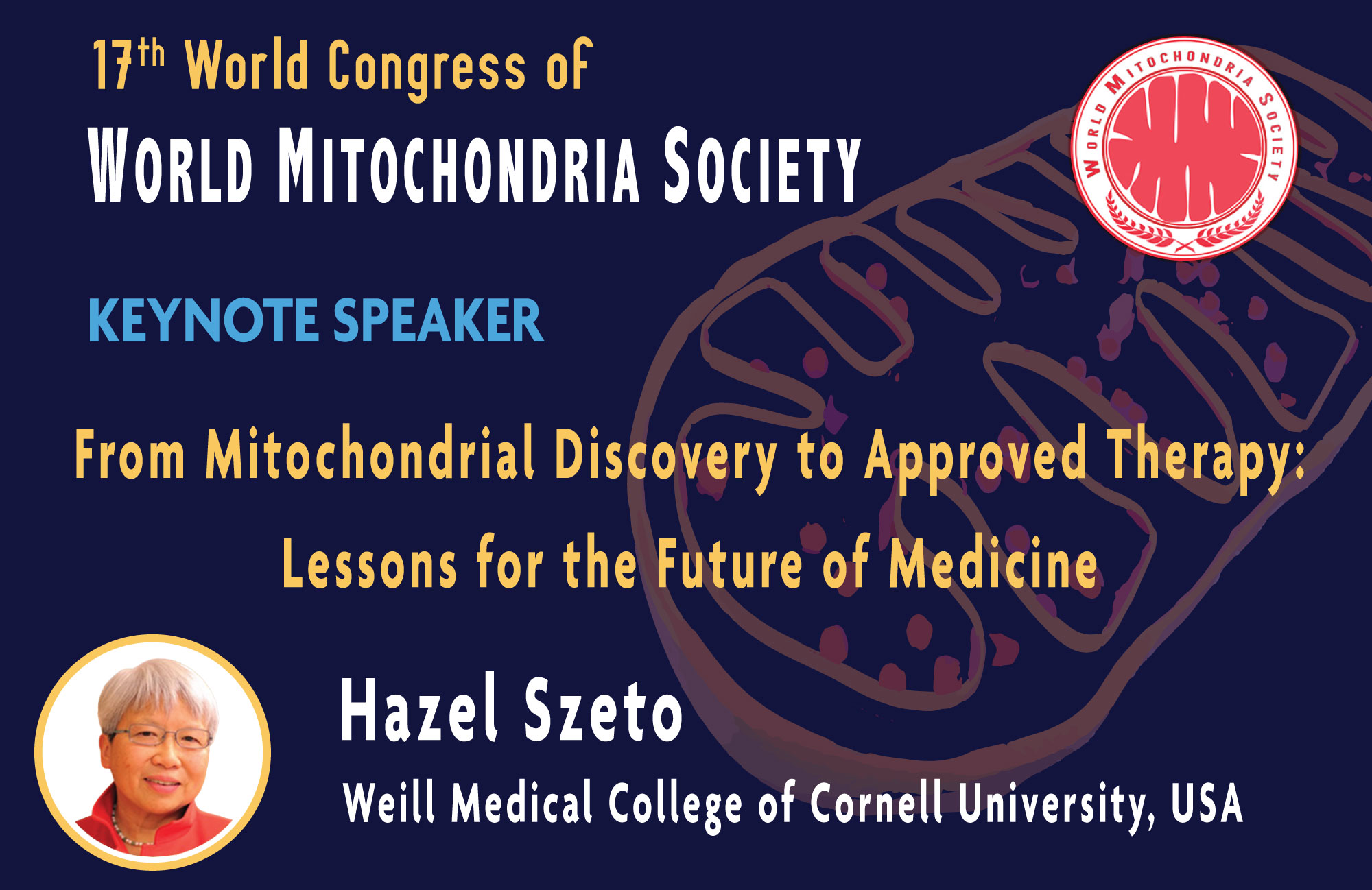
The programme brings together influential voices from complementary areas of the field: Hazel Szeto, Weill Medical College of Cornell University, on the journey from mitochondrial discovery to approved therapy; Derek Narendra, National Institutes of Health, on damage sensing and cellular stress responses; Robert Taylor, Newcastle University, on precision diagnosis; and Ilka Wittig, Goethe University, on complexome profiling in mitochondrial disease. Contributions from Ru-Rong Ji, Duke University, and Meagan McManus, University of Arizona, extend the discussion to mitochondrial transfer, neuroprotection and the detection of early brain dysfunction.
Alongside these perspectives, the submitted oral communications and posters introduce ideas that deserve close attention.
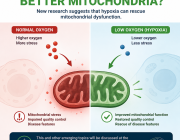
One of the most intriguing comes from Jaya Krishnan, Goethe University Frankfurt. In patient-derived heart organoids modelling Kearns–Sayre syndrome, selected β-blockers temporarily reduced oxygen consumption, promoted mitophagy and were followed by improvements in mitochondrial function. The study tests a counterintuitive proposition: could slowing respiration briefly create conditions that favour healthier mitochondria? Its combination of functional measurements and genetic interventions makes it a particularly interesting contribution to the discussion of treatment without gene correction.
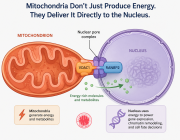
Two complementary posters from Anna Blumental-Perry and Noa A. Perry, University at Buffalo, explore another unconventional strategy. Their work investigates JumpStart, a mitochondrial non-coding RNA that relocates to the nucleus during stress. The studies examine targeted nuclear delivery to support cellular recovery and the failure of this adaptive pathway in lung progenitor cells exposed to prolonged stress. They raise the possibility of developing mitochondrial therapies around the signals organelles send, as well as the energy they produce.
In cancer immunotherapy, Narendra Varma Gottumukkala, CEITEC, Masaryk University, investigates how chronic lymphocytic leukaemia cells acquire mitochondria from T cells and CAR-T cells through tunnelling nanotubes. Differences associated with CAR design suggest a further consideration for therapeutic engineering: preserving the mitochondrial resources of immune cells.
Other contributions revisit fundamental mechanisms. Oleg Chen, Luxembourg Institute of Health, presents evidence challenging the conventional explanation of formate’s effects on mitochondrial respiration. Tanvi Chaudhary, Banaras Hindu University, links mitochondrial protein import to proangiogenic signalling independently of HIF-1α, opening an unexpected connection between organelle function and tumour biology.
The book’s breadth also creates opportunities to compare findings across disciplines. Studies of mitochondrial membranes, senescence, extracellular vesicles, organoids and photobiomodulation sit alongside work on functional measurement and biomarkers. Read together, they reveal both promising directions and the experimental conditions that determine whether an intervention helps or harms.
This is a central strength of the WMS meeting: bringing researchers who study mechanisms into conversation with clinicians, technology developers and investigators testing therapeutic approaches. Original ideas gain value when they can be examined from several scientific perspectives.
For researchers, the abstract book offers a way to identify methods, emerging questions and potential collaborators. For clinicians, it connects disease mechanisms with developing diagnostic and therapeutic research. For biotechnology and pharmaceutical teams, it provides a view of experimental targets, delivery strategies and the groups investigating them.
The collection spans human observations, patient-derived models, animal experiments and computational research. That diversity makes it a useful record of where the field stands, what remains unresolved and where the next experiments may lead.
Read the research. Meet the scientists behind it. Take part in the discussion shaping mitochondrial medicine.
Targeting Mitochondria 2026
October 21–23, 2026 | Berlin & online
Register for the congress
The abstract book is included with registration.
Purchase the Abstacts Book Here